
Valves
Industrial Valves Manufacturer in Andhra Pradesh
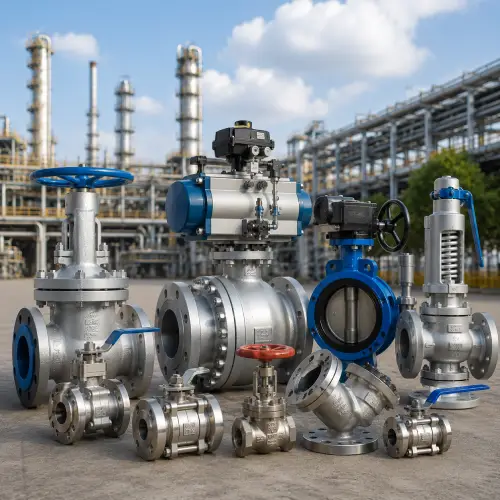
Industrial processes depend on controlled movement of fluids, steam, gases, and other media. Industrial valves provide that control by opening, closing, throttling, diverting, or isolating flow within pipelines and process equipment. From utility lines to critical production systems, the right valve helps operators manage process conditions while protecting machinery and supporting safe plant operation.
As an established Industrial Valves Manufacturer in Andhra Pradesh, S. Nomi & Co. understands that valve requirements vary according to application, operating conditions, and industry. A valve used in a pharmaceutical facility may require different construction and sealing characteristics from one installed in a steel plant or water treatment system.
Valve production involves several controlled stages, including material selection, component machining, dimensional inspection, assembly, testing, and final quality checks. This systematic approach helps ensure that the finished product is suitable for its intended service.
S. Nomi & Co. serves industrial requirements across Andhra Pradesh, including Tirupati, Nellore, Anantapur, Kakinada, Eluru, and Guntur, as well as major industrial destinations such as Sri City, Brandix India Apparel, and Jawaharlal Nehru Pharma City.
What Makes a Reliable Industrial Valve?
A valve may appear to be a relatively small component within a large processing plant, but its failure can affect an entire section of the system. Therefore, buyers should evaluate more than basic dimensions when selecting industrial flow-control equipment.
Important characteristics include:
Robust Construction
Industrial valves need sufficient mechanical strength to withstand continuous operation, vibration, pressure fluctuations, and demanding plant environments.
Resistance to Process Conditions
The valve body and internal components should be compatible with the fluid or gas being handled. Material selection becomes particularly important when the system carries corrosive chemicals, abrasive substances, or high-temperature media.
Effective Shut-Off
A properly engineered sealing arrangement helps prevent unwanted passage of fluid when the valve is intended to remain closed. Good shut-off performance is particularly important for isolation and maintenance activities.
Consistent Operation
Smooth movement of the valve mechanism allows operators to control or isolate flow without unnecessary operational difficulties.
Extended Operating Life
Suitable materials, accurate manufacturing, and appropriate installation can contribute to longer service intervals and lower replacement requirements.
Easier Servicing
Valves designed with practical maintenance considerations can make inspection, adjustment, and replacement of serviceable components more manageable.
Specification Compliance
For industrial projects, valve selection may need to follow specific dimensional, material, testing, pressure, or quality requirements. Reviewing project specifications before procurement can prevent compatibility problems later.
Where Are Industrial Valves Used?
Power Generation
Power facilities operate extensive steam, water, cooling, and auxiliary networks. Valves help control these services at different stages of generation and support safe isolation during inspection or maintenance.
Steel and Metal Processing
Steel plants require dependable flow control for cooling water, gases, steam, hydraulic services, and other process applications. Equipment must often perform under demanding temperatures and operating environments.
Pharmaceutical and Chemical Manufacturing
Chemical and pharmaceutical processes may involve aggressive chemicals, purified water, solvents, gases, and temperature-sensitive media. Valve materials and sealing systems must be selected according to the characteristics of the process.
Oil, Gas and Petrochemical Operations
Pipeline networks and processing facilities use valves to manage hydrocarbons, gases, utilities, and other process fluids. Depending on the installation, valves may perform isolation, regulation, or emergency shutdown functions.
Water and Wastewater Treatment
Treatment facilities require flow-control equipment throughout intake, filtration, chemical treatment, storage, pumping, and distribution stages. Reliable valves help operators manage water movement and isolate sections of the network when required.
Mining and Mineral Processing
Mining and mineral-processing facilities may handle water, slurry, compressed air, and abrasive materials. Valve selection needs to take account of the physical properties of the material and the severity of the service.
General Manufacturing
Factories use valves in utility and production systems involving cooling water, compressed air, steam, heating systems, and process fluids. Appropriate valve selection can support smoother plant operations and easier equipment isolation.
Valve Selection: What Should Buyers Check?
Selecting a valve only by nominal size can result in an unsuitable installation. Before purchasing, industrial buyers should prepare a clear technical requirement.
Consider the following:
- Valve function: Determine whether the valve is required for isolation, regulation, non-return service, or another purpose.
- Line size: Confirm the nominal pipe size and connection dimensions.
- Pressure: Identify normal and maximum operating pressure.
- Temperature: Provide both normal and potential maximum process temperature.
- Medium: Specify whether the valve will handle water, steam, gas, chemicals, slurry, oil, or another substance.
- Material: Choose materials according to corrosion, temperature, pressure, and media compatibility.
- Connection: Confirm the required flanged, threaded, welded, or other connection arrangement.
- Operating method: Consider whether manual, gear-operated, pneumatic, electric, or another actuation method is required.
- Installation environment: Indoor, outdoor, corrosive, dusty, high-temperature, and other site conditions can influence valve selection.
- Project standards: Share any customer, plant, engineering, or statutory specifications that the valve must meet.
Providing these details to S. Nomi & Co. allows the technical team to understand the actual application instead of recommending a valve based only on general requirements.
Practical Industrial Valve Maintenance
Proper maintenance is essential for keeping valves operational over their expected service period. A preventive approach can also help identify developing problems before they affect production.
Inspect Critical Areas
During routine plant rounds, examine valve bodies, stems, packing areas, joints, and connected piping for signs of leakage, corrosion, physical damage, or unusual conditions.
Check Operating Movement
A valve that becomes unusually difficult to operate may indicate deposits, corrosion, mechanical wear, or another underlying issue. Operators should investigate the cause rather than repeatedly forcing the mechanism.
Examine Sealing Components
Packing and gaskets can deteriorate due to temperature, chemical exposure, pressure, or age. Worn sealing components should be replaced using suitable replacement materials.
Monitor Process Conditions
Unexpected changes in pressure, temperature, vibration, or flow can place additional stress on valves. Monitoring these parameters can help identify problems within the wider system.
Keep Components Clean
Dirt, scale, deposits, and process residue can interfere with valve movement and sealing. Appropriate cleaning should form part of the maintenance schedule where operating conditions permit.
Follow Manufacturer Recommendations
Maintenance intervals should not be identical for every valve. Service frequency should reflect valve design, duty cycle, process medium, and site conditions.
Why Industries Choose S. Nomi & Co.
Since 1968, S. Nomi & Co. has provided quality-focused industrial flow-control solutions. As an experienced Industrial Valves Manufacturer in Andhra Pradesh, the company offers:
- 50+ years of industry experience
- ISO 9001:2015 certified quality management
- Wide range of industrial valves
- Application-specific solutions
- Reliable technical and delivery support
- Supply across Andhra Pradesh
Serving industrial locations including Sri City, Kakinada, Nellore, Guntur, Tirupati, Anantapur, and Eluru, S. Nomi & Co. is a trusted Valves Manufacturer in Andhra Pradesh for project, replacement, and maintenance requirements.
Frequently Asked Questions
Valve materials come into direct or indirect contact with the operating environment. The correct material should withstand the pressure, temperature, corrosion characteristics, and properties of the process medium.
Yes. S. Nomi & Co. supports industrial requirements across Andhra Pradesh, including Tirupati, Nellore, Anantapur, Kakinada, Eluru, Guntur, Sri City, Brandix India Apparel, and Jawaharlal Nehru Pharma City, as well as other industrial locations where reliable flow-control equipment is required.
Get the Right Valve for Your Application
Reliable flow control begins with accurate specification. Instead of choosing a valve solely on availability or initial price, industrial buyers should consider the complete operating environment and long-term service requirements.
If you are sourcing valves for a new facility, expansion, replacement, or maintenance program, share your technical requirements with S. Nomi & Co. Request a quotation and discuss your application with the team to identify a suitable solution.
With long-standing industry experience, quality-focused processes, and support for customers throughout Andhra Pradesh, S. Nomi & Co. is positioned to serve businesses looking for a dependable Industrial Valves Manufacturer in Andhra Pradesh.